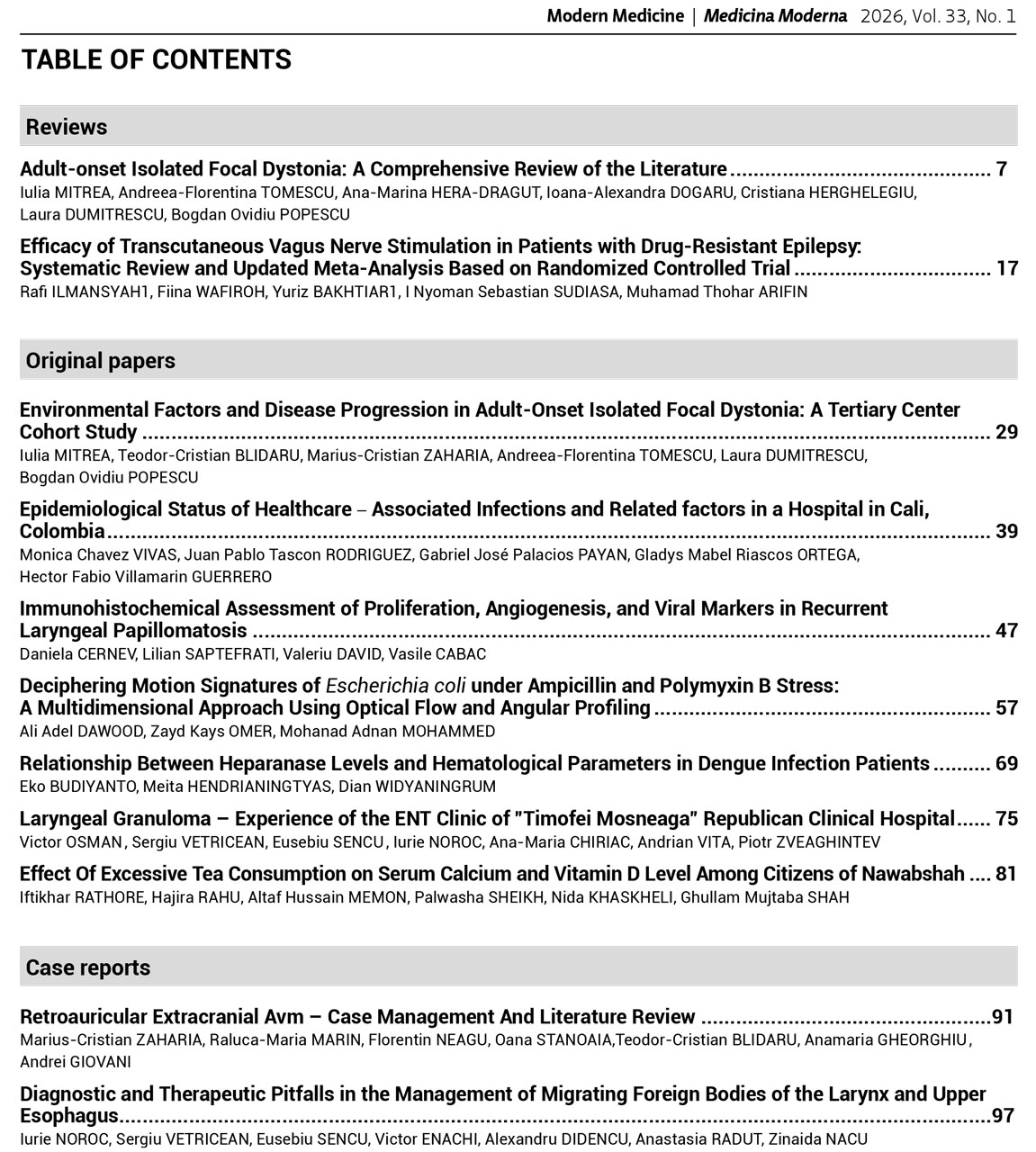
This study is a multidimensional research of Escherichia coli genetically paralyzed by ampicillin and polymyxin B using optical flow, Gaussian Mixture Model (GMM) clustering, angular profiling and fluorescence estimating. Phase sensitive microscopy and quartz crystal resonators provided an opportunity to efficiently monitor bacterial responses on a mechanical and visual level simultaneously. Optical flow Farneback was used to extract motion vectors that were clustered and discussed in terms of displacement, directionality and angular distribution. The samples treated with ampicillin had a heterogeneous motility in which the clusters have a high speed and directional bias along the Z-axis. In comparison, polymyxin B samples contained uniformly suppressed samples of the lowspeed clusters with low angular bias. Motion mapping of HSV visualized forms of movement was done on the basis of color coded and fluorescence analysis was done to determine the metabolism of the motile clusters. The novelty of the given work lies in the fact that it involves the use of both mechanical and optical cues in the process of revealing antibiotic-specific motion patterns and organized angular reactions. These observations suggest that not only motion of bacteria under stress is suppressed but this motion is conditionally and complexly regulated. The proposed approach will deliver the speed of diagnostics and live resistance profiling.