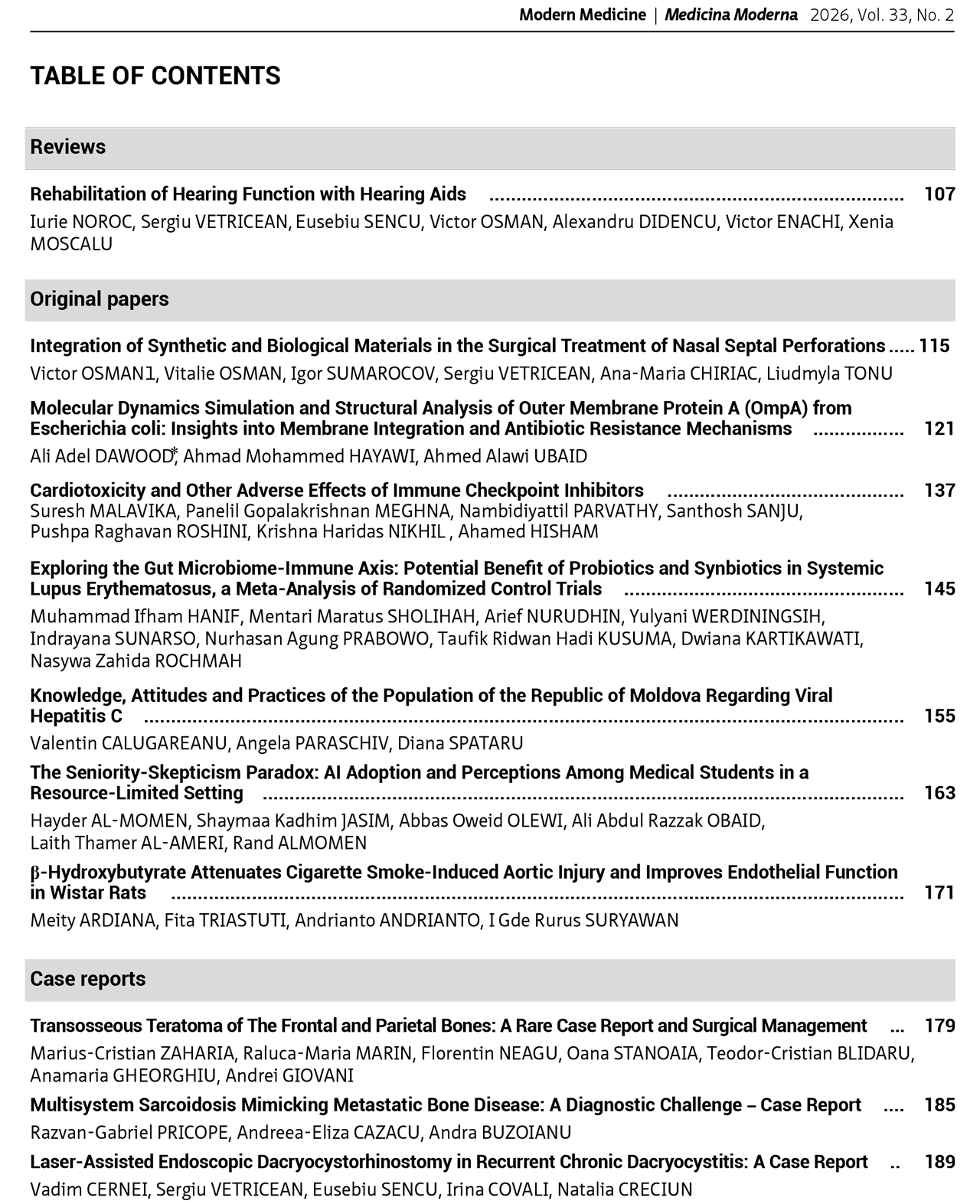
Aerial conduction hearing aids (conventional) are the most commonly used devices for the rehabilitation of residual hearing loss after tympanoplasty. Patients with dry, safe ears with mild to moderate conductive hearing loss typically achieve excellent hearing rehabilitation with these devices. Although recent conventional hearing aids have improved technically, there are still shortcomings: distortion of sound and voice, irritation of the external ear canal, acoustic feedback, discomfort and exacerbation of existing conditions of the outer and middle ear. Bone‑anchored hearing aids are excellent devices that have proven their usefulness over time if candidates were properly selected and surgery was performed meticulously. In audiological terms, bone‑anchored hearing devices are clearly superior to conventional aerial conduction devices and passive bone conduction devices. The major drawbacks of this hearing aid are the relatively high financial costs and the need for the implantation surgical procedure. Cochlear implant is one of the most effective rehabilitation methods for sensorineural hearing loss, especially in cases where there is no functional effect with other hearing aids. The benefits of cochlear implantation, including for severe‑profound hearing loss in children and adults, have been significant improvements in post‑implant audiological test scores, cognitive domains, and quality of life, including long‑term. Cochlear implants showed the greatest improvements in speech perception and production, clear speech recognition in noisy environments, and audiometry performance compared to conventional hearing aids.