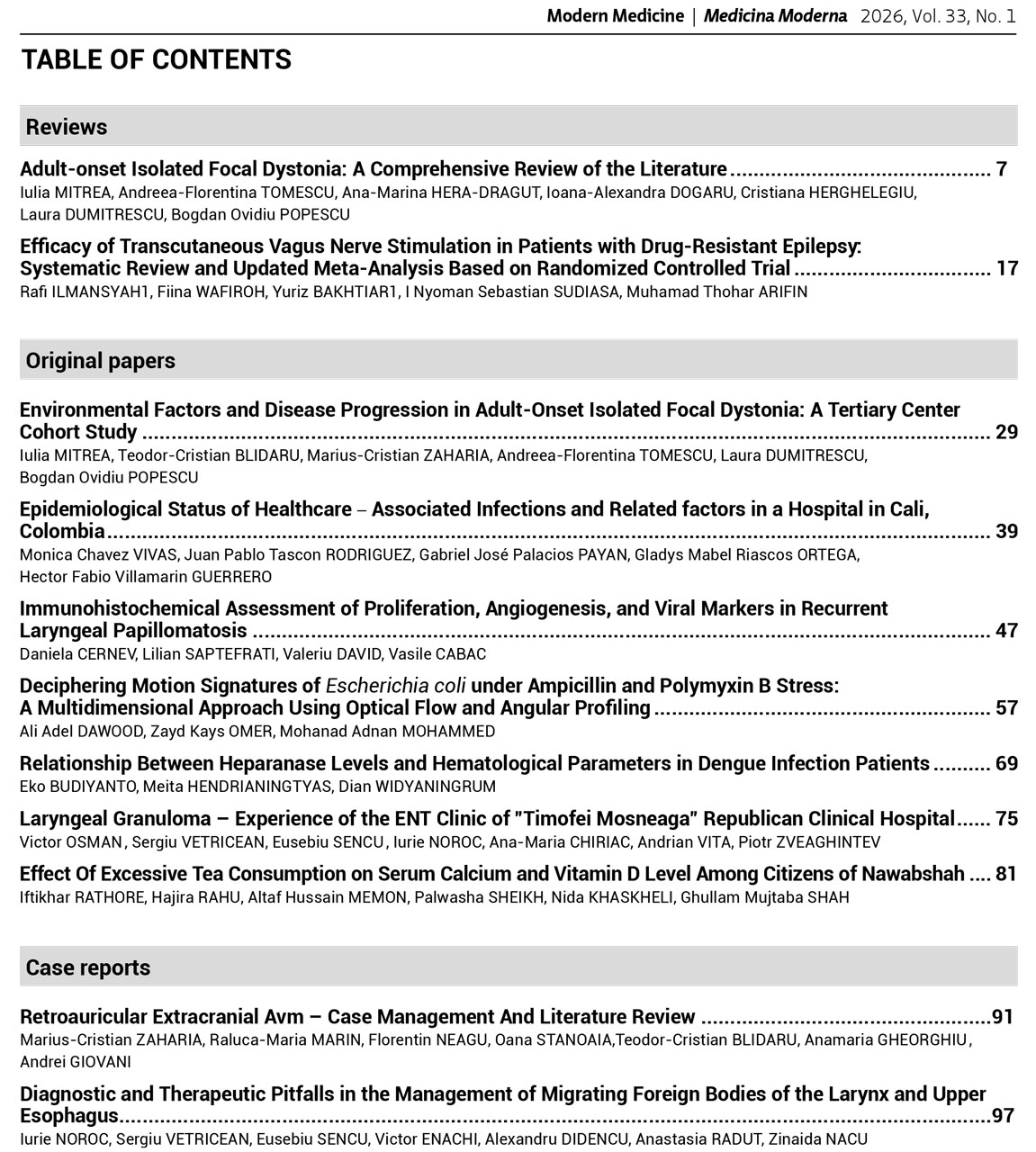
Purpose: The aim of this study is to describe the epidemiology of healthcare-associated infections (HAIs) in a teaching hospital of Cali.
Methods: This is a retrospective descriptive study that involved patients with HAIs who met the criteria for HAIs from January 2022 to December 2024. Data were obtained from reports confirmed by infectious disease specialists.
Results: In total, 471 reports were included, 103 patients (21.9%) had HAIs. The most common HAIs were: surgical site infections (34.2%), lower respiratory tract infection (25.1%), skin/soft tissue infections (16.6%), and sepsis (10.2%). On multivariable regression analysis, independent risk factors for HAIs included cardiovascular disease [odds ratio (OR) 2.41], anemia (OR=2.70), obstructive pulmonary disease (OR=7.69), presence of a central venous catheter (OR=7.51) or an urinary catheter (OR=5.98). Klebsiella spp (10.5%) and Staphylococcus aureus (8.7%) were the most common. Thirty-two isolates (9.6%) were drug-resistant, and most (27.9%) were Enterobacterales.
Conclusion: Surgical site and respiratory tract infections should be a priority in the control and reduction of HAIs in the country, especially in patients with comorbidities or invasive devices as the central venous catheters or urinary catheters.